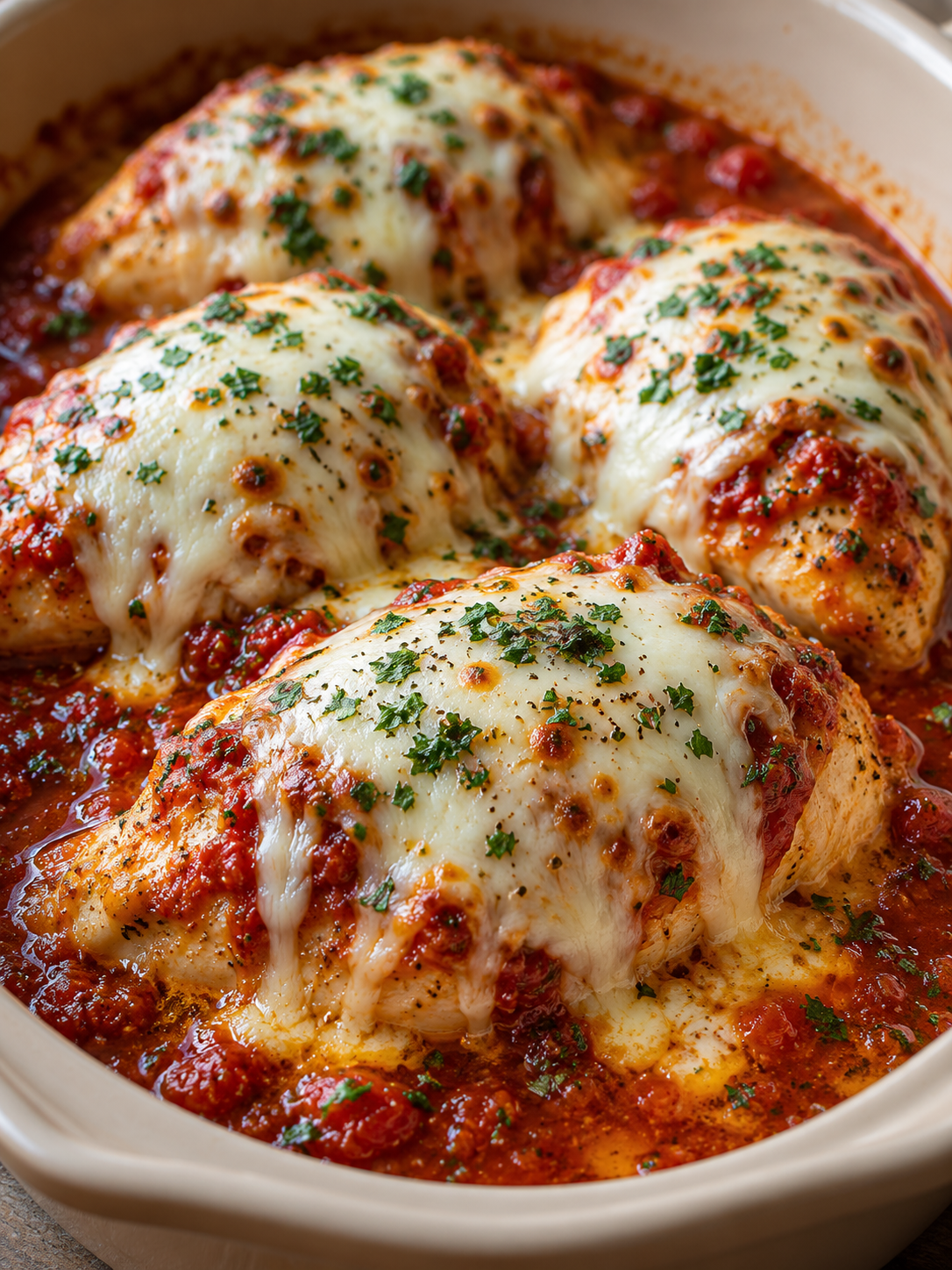


Pizza night can take a different direction when the crust is made from seasoned ground chicken instead of traditional dough. This Easy Ground Chicken Pizza Crust Recipe combines ground chicken, Parmesan cheese, an egg, and a few pantry seasonings to create a savory base that holds your favorite toppings. The mixture spreads directly onto parchment paper and bakes until firm and golden around the edges. Here’s how to prepare it without making the crust overly soft or difficult to handle.
Why You’ll Love This Recipe Ground Chicken Pizza Crust
Ground Chicken Pizza Crust uses just seven ingredients for the base, with no traditional flour or yeast required. Parmesan brings a salty, savory flavor, while oregano and garlic powder give the chicken a familiar pizza-style seasoning. The egg helps hold the mixture together as it bakes. You can also make the crust a little firmer by using the optional flipping step before adding toppings. It’s a practical alternative when you want pizza with a chicken-based crust.
Kitchen Tools You’ll Need
- Oven
- Baking sheet
- Parchment paper
- Large mixing bowl
- Mixing spoon
- Spatula
- Measuring cups and spoons
- Paper towels
- Pizza stone (optional)
Ingredients
- 1 lb ground chicken (not extra lean)
- 1/4 cup grated Parmesan cheese
- 1/4 tsp garlic powder
- 1/2 tsp dried oregano
- 1/2 tsp salt
- 1/4 tsp black pepper
- 1 large egg
The ground chicken forms the structure of the crust, while the Parmesan and seasonings add flavor. The egg helps bind everything into a mixture that can be shaped before baking.
Using ground chicken that is not extra lean helps maintain some moisture during cooking. Because the mixture is naturally sticky, it should be spread rather than handled like traditional pizza dough.

How to Make Ground Chicken Pizza Crust
Step 1. Preheat your oven to 400°F. Line a baking sheet with parchment paper so the chicken mixture has a prepared surface for shaping and baking. If you prefer to use a pizza stone, place it in the oven while it preheats. The hot stone can help the underside of the crust brown more evenly. Make sure the oven is fully preheated before baking, since the chicken mixture needs steady heat to become firm enough for toppings.
Step 2. Add the ground chicken, grated Parmesan, garlic powder, dried oregano, salt, black pepper, and egg to a large mixing bowl. Stir until the seasonings and egg are evenly incorporated throughout the chicken. Stop mixing once everything is combined. Working the mixture too much can produce a tougher texture after baking. Unlike regular pizza dough, this mixture will feel moist and sticky. That consistency is expected, so there is no need to keep mixing in an attempt to make it behave like bread dough.
Step 3. Transfer the mixture onto the prepared parchment-lined baking sheet. With a spatula or wet hands, spread it into a round approximately 10–12 inches wide. Aim for an even thickness of about 1/4 inch, leaving the edges slightly raised. Try not to leave noticeably thicker sections in the center, as they may cook differently from the thinner edges. If moisture collects on the surface, gently blot it with a paper towel. A spatula or the back of a spoon dipped in water can make shaping easier.
Step 4. Bake the shaped chicken crust for 20–22 minutes, until the top feels firm, the edges develop a golden color, and the chicken is fully cooked. Remove the baking sheet from the oven and let the crust rest for 3–5 minutes before adding toppings. This resting period helps it become easier to handle. For a firmer, crispier base, carefully flip the crust with the help of another piece of parchment paper and bake for an additional 5 minutes before proceeding.
Step 5. Spread your preferred pizza sauce over the baked crust, followed by cheese and your chosen toppings. Keep the sauce layer light so it does not overwhelm the surface with moisture. Return the pizza to the 400°F oven and bake for another 8–10 minutes, or until the cheese has melted and is bubbling. Remove the finished pizza and allow it to cool for 2 minutes before slicing. The brief cooling period makes the topped crust easier to portion and serve.

Serving Suggestions
This chicken-based crust works well as the foundation for a homemade pizza served straight from the oven. Once the second baking stage is complete, cut it into slices and serve while the cheese is still warm.
For a lighter topping combination, use a thin coating of your preferred sauce and a modest amount of cheese. This keeps the baked chicken base more noticeable and helps preserve its firmer texture.
You can also adjust the amount of toppings to suit your preference, as long as the crust is fully baked before they are added. Because the base already contains Parmesan, garlic powder, and oregano, it has savory flavor even without a heavy topping layer.
Allow the pizza to cool briefly before cutting so the slices are easier to lift.
Pro Tips for Best Results
Choose the specified ground chicken. The recipe calls for ground chicken that is not extra lean. Its natural moisture contributes to the texture of the baked crust.
Mix gently. Combine the ingredients just until evenly distributed. Excessive mixing can make the finished base tougher.
Shape an even circle. Maintaining approximately 1/4-inch thickness across the crust encourages more consistent baking.
Control surface moisture. If excess liquid appears while shaping, blot it gently before the crust goes into the oven.
Use the optional second bake. Flipping the cooked crust and baking it for another five minutes can help create a firmer base before toppings are added.
Keep toppings manageable. Too much sauce can soften the crust, even when it has been baked thoroughly.
Common Mistakes to Avoid
1. Overmixing the chicken mixture
Ground chicken does not need the same handling as traditional bread dough. Mixing it repeatedly after the ingredients are combined can produce a dense, tougher base. Stop stirring when the egg, cheese, and seasonings are distributed evenly. A sticky texture is normal and does not mean the mixture needs further working.
2. Making the crust uneven
A round with a thick center and thin outer edges may not bake consistently. The outer portions can become firm while thicker sections still need cooking. Spread the chicken mixture to approximately 1/4-inch thickness across the surface, maintaining the slightly raised edges described in the recipe.
3. Skipping the parchment paper
The raw chicken mixture is sticky, making it harder to shape and handle without the prepared surface. Parchment paper provides a useful base for spreading the mixture and helps when moving the crust. Prepare the baking sheet before adding the chicken instead of trying to transfer an already flattened round.
4. Leaving excess moisture on the surface
Ground chicken naturally contains moisture, but visible liquid collecting on top can interfere with achieving a firmer crust. If moisture appears after shaping, use a paper towel to absorb the excess gently. Avoid pressing so hard that the carefully shaped surface becomes uneven.
5. Adding toppings before the crust is ready
The chicken base needs its initial baking period before sauce and cheese are added. Topping it too early makes the mixture harder to handle and prevents you from checking whether the crust has become firm and fully cooked. Complete the first bake and allow the recommended resting period before proceeding.
6. Using too much pizza sauce
Even a properly baked chicken crust can become softer when covered with an excessive amount of sauce. This matters particularly because the base does not have the same texture as regular flour-based dough. Spread a light layer of sauce and avoid overloading the surface with toppings.
Variations & Substitutions
The recipe offers a few adjustments without changing the main preparation process.
For a firmer crust, use the optional flipping technique and return the base to the oven for five additional minutes before topping.
The supplied recipe tips also suggest replacing Parmesan with 2 tablespoons of almond flour or coconut flour when avoiding cheese in the crust. This is an optional variation rather than part of the original seven-ingredient recipe, and the resulting texture may differ.
You can also vary the amount of sauce, cheese, and toppings used during the final baking stage.
Storage & Reheating
Refrigerator: Allow the baked chicken crust to cool before placing it in an airtight container. The original recipe recommends refrigerating the crust for up to 3 days.
Freezer: The baked crust can be frozen for up to 1 month, according to the supplied recipe instructions. Store it securely to limit exposure to air.
Room temperature: Do not leave the chicken crust at room temperature for extended storage. Refrigerate promptly after cooling.
Reheating: The supplied instructions do not specify an exact reheating method, temperature, or duration. Reheat refrigerated or thawed crust thoroughly before serving. The recipe’s regular finishing bake is intended for a freshly prepared crust, not as a verified reheating schedule.
Nutrition Information
Servings: 4
Calories: 215 kcal
Total Fat: 12 g
Saturated Fat: 4 g
Carbohydrates: 1 g
Fiber: 0 g
Sugar: 0 g
Protein: 25 g
Sodium: 500 mg
Frequently Asked Questions
Can I make this recipe ahead of time?
Yes. The original instructions support making the chicken crust ahead once it has been baked. Allow it to cool and store it in an airtight container in the refrigerator. When you’re ready to prepare the pizza, you can add your preferred toppings. However, the recipe does not provide a specific reheating schedule for a chilled crust, so make sure it is reheated thoroughly before serving.
How long does it last in the fridge?
The supplied recipe recommends storing the baked chicken crust in an airtight container in the refrigerator for up to 3 days. This guidance refers to the prepared crust itself. A fully topped pizza may have different storage considerations depending on the ingredients used.
Can I freeze this recipe?
Yes. According to the original recipe tips, the baked chicken crust can be frozen for up to one month. It is helpful to store the crust separately from its toppings so it is ready for assembling later. The supplied recipe does not specify a particular thawing process.
What can I substitute for one ingredient?
The original recipe suggests using 2 tablespoons of almond flour or coconut flour if you choose to omit the Parmesan cheese. This adjustment is intended to help bind the chicken mixture. Keep in mind that Parmesan also contributes flavor and texture, so the finished crust may differ from the standard version.
Why didn’t my recipe turn out as expected?
If the crust was too soft, excess surface moisture, uneven thickness, or too much sauce could have contributed. Make sure the chicken mixture is shaped evenly and baked until fully cooked and firm before adding toppings. If the texture was too dense, the mixture may have been overworked. Following the resting period and optional flipping step can also help with handling and firmness.
Final Thoughts
Easy Ground Chicken Pizza Crust Recipe offers a straightforward way to prepare pizza with a seasoned chicken base instead of traditional dough. The short ingredient list keeps the preparation manageable, while Parmesan, garlic powder, and oregano provide flavor throughout the crust.
The most important details are mixing gently, spreading the chicken evenly, and allowing the base to bake completely before adding toppings. Taking a few minutes to let it rest also helps with handling.
With its savory flavor and customizable topping options, this recipe provides a practical alternative for homemade pizza nights when you want something different from a standard flour-based crust.

Easy Ground Chicken Pizza Crust Recipe
Equipment
- Oven
- Baking Sheet
- Parchment Paper
- Large Mixing Bowl
- Mixing spoon
- Spatula
- Measuring cups and spoons
- Paper Towels
- Pizza Stone Optional
Ingredients
Ground Chicken Pizza Crust
- 1 lb ground chicken Not extra lean
- 1/4 cup grated Parmesan cheese
- 1/4 tsp garlic powder
- 1/2 tsp dried oregano
- 1/2 tsp salt
- 1/4 tsp black pepper
- 1 large egg
Optional Pizza Toppings
- pizza sauce A thin layer, to taste
- cheese For topping, to taste
- favorite pizza toppings As desired
Instructions
- Preheat your oven to 400°F (204°C). Line a baking sheet with parchment paper. If using a pizza stone, place it in the oven while preheating to help the underside of the crust brown evenly.
- In a large mixing bowl, combine the ground chicken, grated Parmesan cheese, garlic powder, dried oregano, salt, black pepper, and egg. Mix gently until all ingredients are evenly incorporated. Avoid overmixing, as this can make the crust tough. The mixture will naturally be moist and sticky.
- Transfer the chicken mixture onto the prepared parchment-lined baking sheet. Using a spatula or wet hands, spread it into a round approximately 10–12 inches wide and 1/4 inch thick. Keep the thickness even and the edges slightly raised. If excess moisture collects on the surface, gently blot it with a paper towel.
- Bake the chicken crust for 20–22 minutes at 400°F (204°C), until the top is firm, the edges are golden, and the chicken is fully cooked. Remove from the oven and allow the crust to rest for 3–5 minutes.
- For a firmer, crispier crust, carefully flip the baked chicken base using another piece of parchment paper and return it to the oven for an additional 5 minutes. This step is optional.
- Spread a thin layer of your favorite pizza sauce over the cooked chicken crust. Add cheese and your preferred pizza toppings, avoiding excessive sauce or heavy toppings that could soften the crust.
- Return the topped pizza to the oven at 400°F (204°C) and bake for another 8–10 minutes, or until the cheese has melted and is bubbling.
- Remove the finished pizza from the oven and let it cool for approximately 2 minutes before slicing. Cut into portions and serve warm.