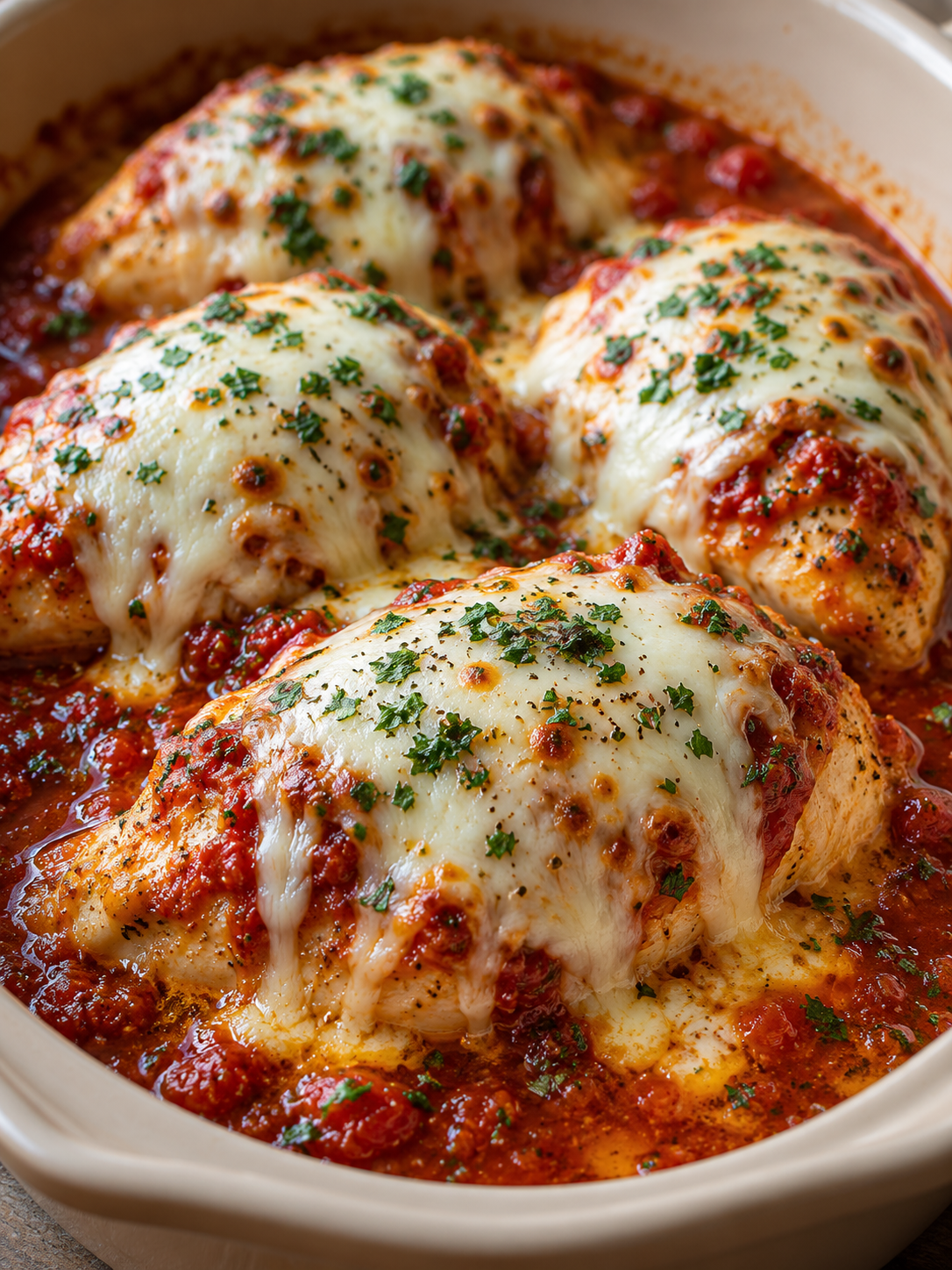


A creamy cheese filling and a sweet, tangy sauce can turn simple chicken breasts into a satisfying dinner. This Cheese Stuffed Chicken Breast with Balsamic Glaze combines tender chicken, creamy goat cheese, and a rich balsamic reduction made with pomegranate juice and shallots. The chicken is lightly seared before baking, then finished with fresh basil and pomegranate seeds. It’s a practical choice for family dinners and special occasions alike.
Why You’ll Love This Recipe Cheese Stuffed Chicken Breast with Balsamic Glaze
This Cheese Stuffed Chicken Breast with Balsamic Glaze brings together familiar ingredients in a flavorful combination. The goat cheese adds a creamy, slightly tangy filling, while the balsamic reduction provides sweetness and acidity. Searing the chicken before baking gives it a lightly golden exterior, and finishing it in the oven allows the glaze to coat the meat. Fresh basil and pomegranate seeds add color and contrast, making the finished dish suitable for everyday dinners or a more formal gathering.
Kitchen Tools You’ll Need
- Oven
- Large baking dish
- Sharp kitchen knife
- Large skillet
Ingredients
For the Chicken
- 1 pound chicken breasts (4 small chicken breasts)
- 4 ounces goat cheese (or dairy-free cream cheese)
- Salt, to taste
- Black pepper, to taste
- Garlic powder, to taste
- 1 tablespoon olive oil
For the Balsamic Glaze
- ¼ cup minced shallots (about 3 small shallots)
- ⅔ cup balsamic vinegar
- 2 tablespoons pomegranate juice
- ¼ cup low-sodium chicken broth
- ¼ cup + 1 tablespoon coconut sugar
- Pinch of salt
- ½ cup pomegranate arils
- ¼ cup fresh basil, thinly sliced

How to Make Cheese Stuffed Chicken Breast with Balsamic Glaze
Step 1. Preheat your oven to 350°F (175°C). Lightly coat a large baking dish with nonstick cooking spray. Preparing the dish before handling the chicken makes it easier to transfer the browned breasts directly from the skillet. The baking dish will hold both the stuffed chicken and the balsamic glaze as they finish cooking together in the oven.
Step 2. Carefully cut a pocket into the center of each chicken breast using a sharp knife. The goal is to create enough space for the cheese without cutting all the way through the meat. Keeping the sides connected helps contain the filling. Work carefully, especially with smaller chicken breasts, since the pocket needs to hold approximately one ounce of cheese.
Step 3. Fill each chicken breast pocket with approximately 1 ounce of goat cheese. Distribute the cheese evenly among the four pieces. Season both sides of the chicken with salt, black pepper, and garlic powder. The cheese will soften as the chicken cooks, creating a creamy center that contrasts with the lightly browned exterior.
Step 4. Heat 1 tablespoon of olive oil in a large skillet over medium-high heat. Add the stuffed chicken breasts and sear for 1–2 minutes per side, until lightly golden. Turn them carefully to help keep the filling inside. This initial cooking stage develops color on the outside without fully cooking the chicken. Once browned, carefully transfer the chicken breasts to the prepared baking dish.
Step 5. Reduce the heat under the same skillet to medium. Add the minced shallots and cook for 2–3 minutes, until softened. The shallots provide a mild onion flavor that complements the balsamic vinegar. Using the skillet from the chicken also keeps the preparation straightforward, since the sauce is made immediately after the chicken has been browned.
Step 6. Add the balsamic vinegar, pomegranate juice, chicken broth, coconut sugar, and a pinch of salt to the skillet. Bring the mixture to a boil, stirring frequently. Cook for approximately 4–5 minutes, until the sauce begins to reduce and thicken. The vinegar provides acidity, while the coconut sugar balances its sharpness. The glaze should begin developing a slightly thicker consistency without becoming excessively reduced.
Step 7. Pour the balsamic glaze evenly over the stuffed chicken breasts in the baking dish. Place the dish in the preheated oven and bake for approximately 15–20 minutes, or until the chicken reaches an internal temperature of 165°F (74°C). The chicken finishes cooking while surrounded by the glaze, allowing the sauce to coat the surface as the cheese filling softens.
Step 8. Transfer the cooked chicken breasts to serving plates. Drizzle each portion with the warm balsamic glaze from the baking dish. Finish with fresh pomegranate arils and thinly sliced basil. The pomegranate seeds add a bright, slightly tart contrast to the rich sauce, while the basil contributes a fresh herbal flavor. Serve the chicken warm so the cheese filling remains soft and creamy.

Serving Suggestions
This stuffed chicken works particularly well as a main course for dinner. Each breast provides an individual portion, making it convenient to plate for family meals or a small gathering.
For a complete meal, serve the chicken with roasted potatoes, steamed green beans, or fluffy rice, as suggested in the original recipe. These sides provide a simple accompaniment to the flavorful balsamic glaze.
When serving, spoon some of the warm sauce over each chicken breast so every portion gets a balance of savory chicken, creamy cheese, and tangy balsamic flavor.
The fresh basil and pomegranate seeds also create an attractive finish for a holiday dinner without requiring an elaborate presentation.
Pro Tips for Best Results
- Cut the pockets carefully. Avoid slicing completely through the chicken breasts so the cheese has room to stay inside.
- Distribute the cheese evenly. Using approximately one ounce per breast keeps the filling consistent across all four portions.
- Watch the chicken while searing. The goal is a lightly golden exterior, not fully cooked chicken at this stage.
- Keep the shallots over medium heat. Allow them to soften during the specified cooking time.
- Pay attention to the glaze. Stir frequently and stop reducing once it begins to thicken.
- Check the chicken temperature. The thickest part should reach 165°F (74°C).
- Finish with fresh garnishes. Add the basil and pomegranate arils when serving to preserve their fresh appearance.
Common Mistakes to Avoid
1. Cutting Completely Through the Chicken Breast
A pocket that extends through the entire chicken breast can allow the cheese to escape during cooking. This may leave less filling inside the finished chicken. Cut carefully into the center, keeping the meat connected along the edges so the cheese stays contained.
2. Using Too Much Cheese Filling
Overfilling the chicken pockets can make them difficult to keep closed during searing. Excess cheese may spill into the skillet as it softens. Follow the original measurement of approximately one ounce of goat cheese per chicken breast for a balanced filling.
3. Searing the Chicken for Too Long
The skillet stage is intended to give the chicken a lightly golden exterior. Cooking it too long before baking can make the finished meat less tender. Follow the recommended 1–2 minutes per side, remembering that the chicken will finish cooking in the oven.
4. Cooking the Shallots Over Excessive Heat
The shallots need to soften before the remaining glaze ingredients are added. Keeping the skillet too hot can cause uneven cooking. Reduce the heat to medium as directed and cook the shallots for approximately 2–3 minutes.
5. Reducing the Balsamic Glaze Too Much
The glaze should begin to thicken, but it still needs to be pourable when added to the chicken. Reducing it excessively can create a sauce that is too concentrated. Stir frequently and follow the approximate 4–5-minute reduction time, using the sauce’s consistency as a guide.
6. Relying Only on Baking Time
Chicken breasts can vary in thickness, which affects how quickly they cook. Removing the chicken solely because the suggested baking time has passed may produce inconsistent results. Follow the 15–20-minute guideline, but use the specified internal temperature of 165°F (74°C) to determine when the chicken is cooked.
Variations & Substitutions
The original ingredient list provides one straightforward substitution: dairy-free cream cheese can replace goat cheese.
Goat cheese has a distinctive tangy flavor that complements the balsamic reduction. Dairy-free cream cheese offers another creamy filling option, although the flavor and texture may differ depending on the product used.
Both choices follow the same basic preparation described in the recipe.
The remaining ingredients contribute to the intended balance of the dish. Balsamic vinegar brings acidity, coconut sugar contributes sweetness, and pomegranate juice adds fruity flavor.
For the closest result to the original recipe, keep the listed glaze ingredients and measurements unchanged.
Storage & Reheating
Room-Temperature Storage
This dish contains cooked chicken and a cheese filling, so it should not be left at room temperature for extended periods. Refrigerate leftovers promptly.
Refrigerator Storage
Store leftover chicken and glaze in a covered, food-safe container in the refrigerator. The supplied recipe does not specify an exact refrigerated storage duration.
Freezing
Freezing instructions are not provided in the original recipe. The effect of freezing on the cheese filling and finished glaze has not been established.
Reheating
The original directions do not include a specific reheating method, temperature, or duration. When reheating leftovers, make sure the chicken is thoroughly heated before serving.
Nutrition Information
| Nutrient | Amount |
|---|---|
| Calories | 380 kcal |
| Total Fat | 14 g |
| Saturated Fat | 6 g |
| Carbohydrates | 29 g |
| Fiber | 1 g |
| Sugar | 25 g |
| Protein | 32 g |
| Sodium | Varies with added salt |
Frequently Asked Questions
Can I make this recipe ahead of time?
The original recipe does not provide a specific make-ahead method. Its preparation follows a straightforward sequence of stuffing the chicken, searing it, preparing the glaze, and baking everything together. For the most predictable result, follow that sequence as written. The recipe does not establish how preparing individual components in advance would affect the final texture or cooking process.
How long does it last in the fridge?
The supplied recipe does not include a verified refrigerator storage duration. Leftover cooked chicken should be refrigerated promptly in a covered container. Follow appropriate food-storage guidance rather than relying on an unsupported shelf-life estimate.
Can I freeze this recipe?
The recipe does not provide freezing instructions or a recommended freezing duration. Because the chicken contains a creamy cheese filling, freezing and thawing may affect its texture. No specific freezing method has been established for this preparation.
What can I substitute for one ingredient?
You can replace the 4 ounces of goat cheese with dairy-free cream cheese, as specified in the original ingredient list. This changes the flavor of the filling while keeping the same basic stuffed-chicken preparation. No other substitutions are explicitly provided.
Why didn’t my recipe turn out as expected?
Several details can influence the result. Cutting too deeply into the chicken may allow the cheese to escape, while excessive searing can affect tenderness. The balsamic glaze may also become too concentrated if reduced longer than intended. Follow the original cooking sequence, watch for the described visual cues, and check that the chicken reaches 165°F (74°C) internally.
Final Thoughts
Cheese Stuffed Chicken Breast with Balsamic Glaze brings together a few distinct flavors in a practical baked chicken dinner. The goat cheese provides a creamy filling, while the balsamic vinegar, shallots, pomegranate juice, and coconut sugar create a sauce with a balance of sweetness and acidity.
The preparation is straightforward: stuff and season the chicken, give it a brief sear, prepare the glaze, and finish everything in the oven.
Fresh basil and pomegranate seeds add a colorful final touch without complicating the recipe. Served with roasted potatoes, green beans, or rice, this dish makes a satisfying main course for family dinners or special occasions.

Cheese Stuffed Chicken Breast with Balsamic Glaze
Equipment
- Oven
- Large baking dish
- Sharp kitchen knife
- Large Skillet
- Meat Thermometer
Ingredients
For the Chicken
- 1 pound chicken breasts 4 small chicken breasts
- 4 ounces goat cheese or dairy-free cream cheese
- salt to taste
- black pepper to taste
- garlic powder to taste
- 1 tablespoon olive oil
For the Balsamic Glaze
- 1/4 cup shallots minced, about 3 small shallots
- 2/3 cup balsamic vinegar
- 2 tablespoons pomegranate juice
- 1/4 cup low-sodium chicken broth
- 5 tablespoons coconut sugar equivalent to 1/4 cup plus 1 tablespoon
- 1 pinch salt
For the Garnish
- 1/2 cup pomegranate arils fresh
- 1/4 cup fresh basil thinly sliced
Instructions
- Preheat your oven to 350°F (175°C). Lightly coat a large baking dish with nonstick cooking spray and set aside.
- Using a sharp kitchen knife, carefully cut a pocket into the center of each chicken breast without slicing completely through the meat. Keep the sides connected to help hold the cheese filling inside.
- Stuff each chicken breast with approximately 1 ounce of goat cheese, distributing the 4 ounces evenly among the four breasts. Season both sides with salt, black pepper, and garlic powder to taste.
- Heat 1 tablespoon of olive oil in a large skillet over medium-high heat. Add the stuffed chicken breasts and sear for 1–2 minutes per side, until lightly golden. Turn carefully to prevent the filling from escaping. Transfer the browned chicken breasts to the prepared baking dish.
- Reduce the heat under the same skillet to medium. Add the minced shallots and cook for 2–3 minutes, stirring occasionally, until softened.
- Add the balsamic vinegar, pomegranate juice, low-sodium chicken broth, coconut sugar, and a pinch of salt to the skillet. Bring the mixture to a boil, stirring frequently. Cook for approximately 4–5 minutes, until the sauce begins to reduce and thicken slightly while remaining pourable.
- Pour the prepared balsamic glaze evenly over the stuffed chicken breasts in the baking dish. Transfer to the preheated oven and bake for approximately 15–20 minutes, or until the thickest part of each chicken breast reaches an internal temperature of 165°F (74°C).
- Transfer the cooked chicken breasts to serving plates. Drizzle each portion with the warm balsamic glaze from the baking dish. Garnish with fresh pomegranate arils and thinly sliced basil. Serve warm.